
Preparing Your HVAC System for Peak Summer Demand in Memphis
Prioritize Preventive Maintenance Before the Heat Arrives
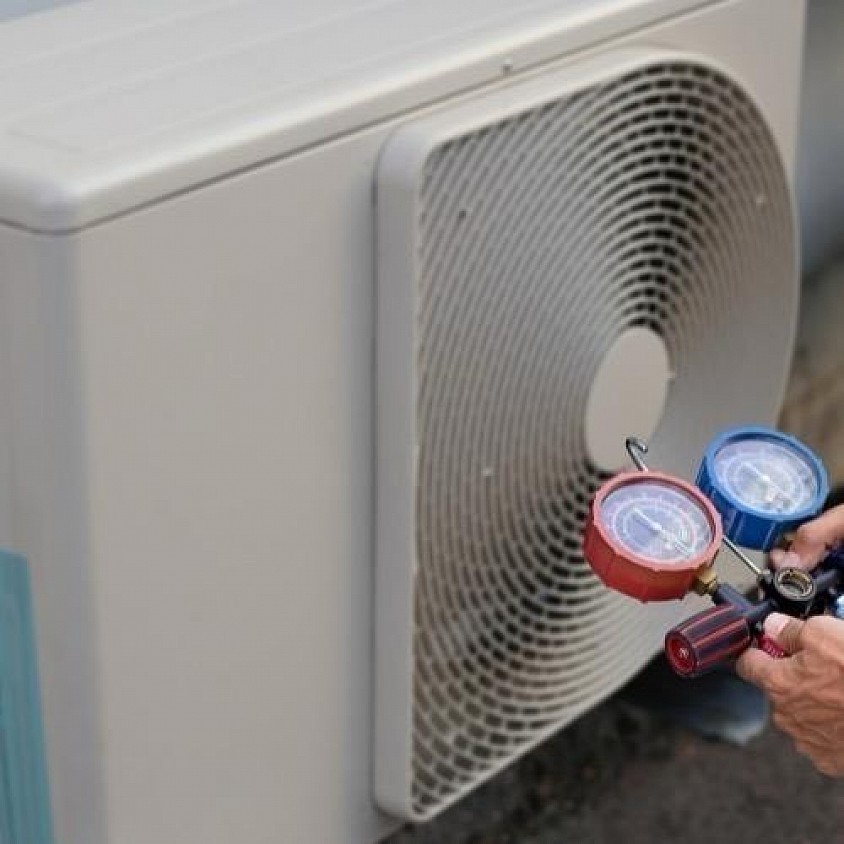
Routine maintenance completed in the spring sets the foundation for reliable summer performance. A comprehensive tune-up typically includes checking refrigerant levels, inspecting electrical connections, cleaning condenser coils, and verifying blower performance. In practice, that might look like a technician removing debris from the outdoor unit, straightening coil fins for better airflow, and confirming the thermostat’s calibration. For a homeowner in Midtown, for instance, catching a frayed blower belt during a routine visit can prevent a mid-July failure. On the commercial side, a small retail shop can avoid inventory damage and lost foot traffic by addressing airflow restrictions before demand peaks. Maintenance not only helps prevent breakdowns but also supports steadier temperatures, quieter operation, and reduced strain on key components.
Improve Airflow and Filtration for Comfort and Efficiency
Airflow is the lifeblood of an HVAC system, and even minor obstructions can undermine comfort. Start with high-quality filters that match the system’s specifications, and change them regularly during heavy-use months. If pets, renovation dust, or nearby construction are factors, more frequent filter changes may be warranted. Clear at least a couple of feet around the outdoor unit to prevent grass clippings, leaves, or fencing from restricting intake. Inside, make sure supply and return vents remain open and unblocked by rugs or furniture. Consider professional duct inspections if rooms are persistently hot or cold; issues such as loose connections or crushed flex duct are common root causes. In a Germantown home, sealing a few leaky joints can eliminate uneven cooling, while an office suite downtown may benefit from modest duct balancing to keep conference rooms from overheating.
Optimize Thermostat Strategies and Zoning for Real-World Schedules
Small adjustments to temperature settings can improve comfort without overworking equipment. Programmable or smart thermostats allow tailored schedules that match occupancy patterns—cooling down before people arrive and easing off when spaces are empty. For a two-story home, consider staged cooling or zoning to reduce hot spots upstairs. In a church or community center, programming the system to pre-cool large gathering areas before events can smooth out demand and reduce sudden, high-load starts. Pay attention to thermostat placement: avoid direct sunlight, kitchen heat, and drafts that can cause unnecessary cycling. If multiple tenants share a building, clear guidelines on set points can help maintain a comfortable baseline for everyone. As a practical example, setting a modest setback during late-night hours, then gradually returning to daytime comfort, keeps equipment from constantly chasing abrupt temperature swings.
Strengthen Indoor Air Quality Measures When Humidity Spikes
Memphis summers bring persistent humidity that can tax cooling equipment and elevate indoor moisture. Excess humidity makes spaces feel warmer even at the same thermostat setting, pushing occupants to dial the temperature down further. Dehumidification strategies—ranging from upgraded HVAC controls to standalone solutions that integrate with existing ductwork—help stabilize comfort and protect building materials. Pair dehumidification with proper ventilation to manage indoor pollutants generated by cooking, cleaning, and normal occupancy. In a restaurant, for example, balancing make-up air with cooled supply air can curb sticky dining rooms and fogged windows. In a residential setting, using bathroom and kitchen exhaust fans consistently lowers humidity loads. With better moisture control, filters capture particulates more effectively, coils stay cleaner, and the system is less likely to short-cycle, which can otherwise increase wear and tear during peak months.
Prepare a Contingency Plan for Breakdowns and Extreme Heat
Even well-maintained systems can fail under severe conditions, so a clear response plan is essential. Keep records of model and serial numbers, breaker panel locations, filter sizes, and warranty information in a single, accessible place. Identify a trusted local provider and understand typical response windows for after-hours calls. During extreme heat, temporary steps—such as closing blinds, reducing internal heat gains from lighting and equipment, and using portable fans to circulate air—can stabilize conditions while awaiting service. For households with medical needs or businesses with temperature-sensitive inventory, having backup cooling options ready can be crucial. In urgent situations, searching for emergency AC repair resources in Memphis can help secure timely assistance, particularly during widespread heat waves. After service is restored, schedule a follow-up inspection to address root causes and prevent repeat issues, turning an unexpected outage into a lesson that strengthens long-term resilience.
Smart HVAC Strategies for Reliable Comfort in Hot, Humid Climates
Seasonal System Readiness: Preparing for Peak Heat
Cooling equipment works hardest when outdoor temperatures and indoor moisture both climb, so seasonal readiness begins before the first prolonged heat wave. Replace or clean air filters on a regular cadence to maintain airflow, and visually inspect outdoor condensers for leaves, grass clippings, or fencing that could restrict breathing room around the unit. Indoors, confirm supply and return vents are open and unobstructed by furniture or rugs.
Thermostat calibration also matters: if readings drift, the system may short-cycle or run too long. In regions with frequent storms, confirm the disconnect box and electrical connections show no signs of wear or heat damage. A quick test run on a mild day—listening for unusual rattles, squeals, or whistling—can reveal emerging issues early. For example, a faint rattle at startup might indicate a loose panel or fan imbalance, while a sweet or musty odor could signal microbial growth in the drain pan or ductwork that needs prompt attention.
Moisture Management: Controlling Humidity for Comfort and System Health
High humidity makes indoor air feel warmer than the thermostat suggests, often tempting frequent temperature drops that strain equipment. Instead, focus on moisture control. Properly sized systems help moderate humidity during normal cooling cycles, but even well-matched units can struggle when doors open frequently or when outdoor dew points spike.
Keep condensate drains clear to prevent water backups and reduce the risk of biological growth. Verify that the evaporator coil is clean; a dirty coil impedes heat transfer and encourages condensation problems. In persistently damp spaces like basements, sealed crawlspaces, or kitchens with heavy cooking loads, consider dedicated moisture strategies such as targeted ventilation at the source. Simple habits contribute too: run bathroom exhaust fans during and after showers, and use range hoods while cooking. When humidity is in check, air feels cooler at a given set point, easing run times and reducing wear on components during long, hot spells.
Airflow and Duct Performance: The Hidden Backbone of Efficiency
Even the most advanced equipment falters if airflow is compromised. Kinked flex duct, crushed runs in attics, and poorly sealed joints can create pressure imbalances that starve rooms of conditioned air and increase energy use. Inspect accessible duct sections for visible gaps, missing mastic, or dislodged insulation. In older buildings, returns are often undersized, forcing the blower to work harder and elevating noise levels.
Balanced airflow delivers comfort evenly from room to room, minimizing hot and cold spots. For example, if a conference room stays stuffy while adjacent offices overcool, it may be a sign of supply imbalance or return restrictions rather than a failing compressor. Pay attention to the air handler’s blower speed settings as well; they should match the system’s capacity and duct design. Fine-tuning airflow can improve coil performance, enhance dehumidification, and protect the compressor from unnecessary stress in prolonged heat.
Diagnostics That Prevent Downtime: From No-Cool Calls to Targeted Fixes
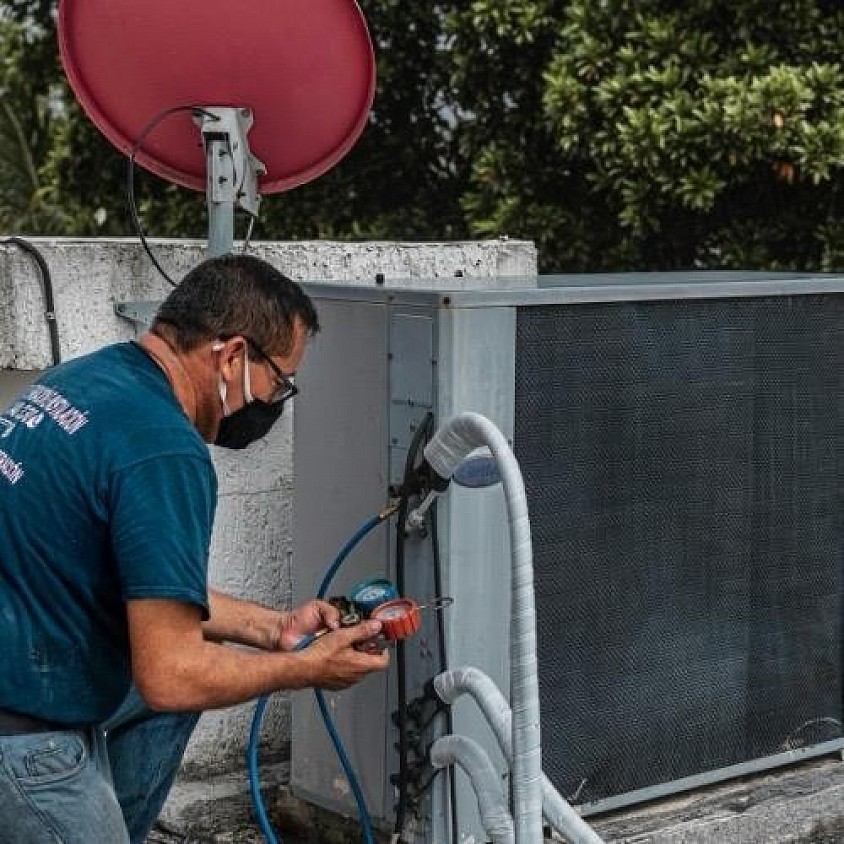
When a system stops cooling on a sweltering afternoon, thoughtful diagnostics save time and protect components. Start with the basics: verify power at the thermostat and the outdoor unit, check the breaker, and ensure the condensate safety switch hasn’t tripped due to a clogged drain. Listen for the condenser fan; if it runs while the compressor remains silent, a failed capacitor or contactor could be the issue.
Ice on the refrigerant lines points to restricted airflow or a refrigerant-side problem such as a leak that requires professional handling. In commercial settings, rooftop units can experience economizer faults that masquerade as refrigeration failures; a jammed damper or sensor drift may be the real culprit. For property managers seeking AC repair in Memphis during a heat wave, concise symptom notes—odd sounds, cycle length, recent filter changes—help technicians arrive prepared, reducing repeat visits and getting occupants comfortable sooner.
Long-Game Efficiency: Controls, Zoning, and Maintenance Discipline
Consistent comfort is a marathon, not a sprint. Smart, well-programmed controls prevent overcooling during unoccupied hours and stage equipment smoothly at start-up. Zoning can be valuable where spaces have different loads—sun-soaked rooms, kitchens, server closets, or rooms with large windows—so each area receives the cooling it needs without overworking the entire system.
Keep coils clean, verify refrigerant charge is correct when service is performed, and monitor blower belts or direct-drive assemblies for proper tension and cleanliness. Regularly check insulation integrity around line sets and in attics to maintain temperature stability and ease the system’s workload. Consider airflow testing and duct sealing when comfort complaints persist despite equipment in good condition; tightening the air distribution network often unlocks better performance than a major replacement. Over time, these practices extend equipment life, stabilize indoor conditions in heat and humidity, and help buildings ride out the toughest days with confidence.