
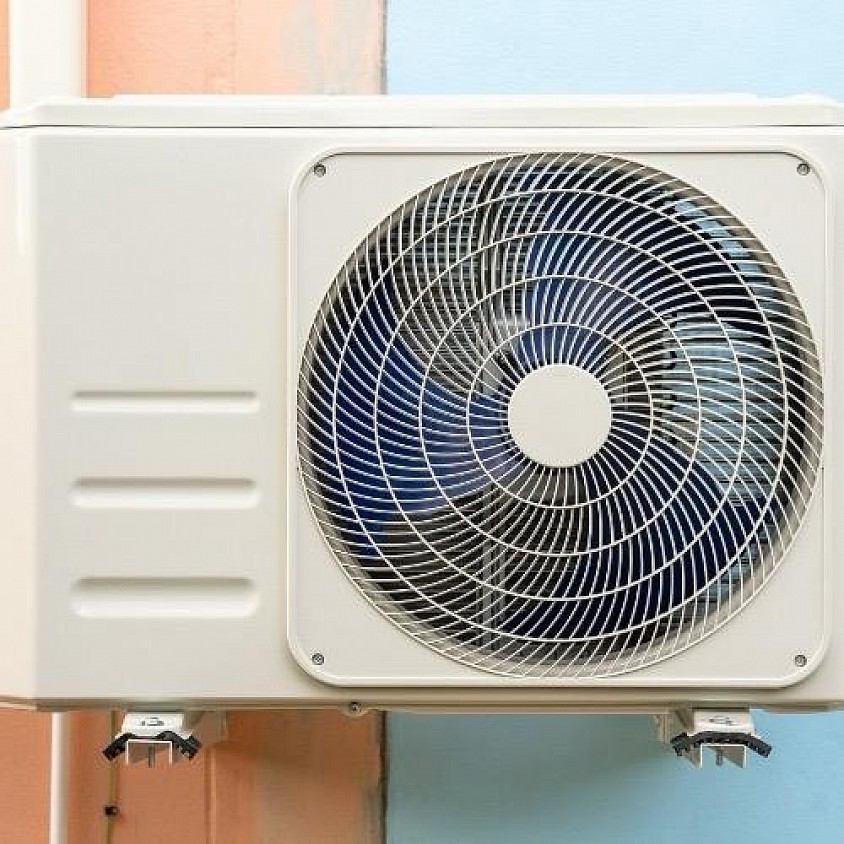
Smart Strategies for ac install in Memphis Homes and Businesses
Why Climate Matters for System Selection
Long, hot summers paired with heavy humidity transform HVAC design from a straightforward equipment swap into a nuanced balancing act. Systems must deliver strong cooling capacity while managing moisture effectively to prevent clammy rooms and musty odors. Thoughtful selection weighs compressor capabilities, airflow potential, and coil performance so occupants feel cooler at higher indoor temperatures without overworking equipment. In practice, that means selecting matched components that emphasize dehumidification as much as raw tonnage and pairing them with controls that avoid short cycling.
Load Calculations and Right-Sizing
Right-sizing is the foundation of comfort and efficiency. A detailed load calculation considers square footage, insulation quality, window orientation, occupancy, lighting, and heat-generating appliances. Oversized systems often short cycle, turning on and off too quickly to remove enough moisture; undersized systems struggle on peak days and can drive up operating time. A correct calculation informs duct layout and return placement, ensuring each room receives the supply volume it needs for balanced temperatures and steady airflow.
Duct Design, Sealing, and Airflow
Air conditioning performance hinges on ductwork. Leaky or undersized ducts undermine even premium equipment. Effective installations involve sealing connections, selecting proper trunk and branch sizes, and minimizing sharp turns that create pressure drops. Return air strategy is equally critical; adequate return pathways prevent hot and cold spots, reduce noise, and support quieter, smoother operation. In both new construction and renovation, field measurements of static pressure help validate that ducts and equipment are working as a unified system.
Ventilation and Indoor Air Quality
Comfort extends beyond temperature. Outdoor air strategies, filtration choices, and humidity control shape how a space feels and functions. High-quality filters paired with well-sealed ducts reduce dust movement and support healthier breathing environments. In humid climates, maintaining the right indoor moisture level curbs microbial growth and helps protect finishes, documents, and electronics. For commercial facilities, balanced ventilation supports occupant productivity and helps manage odors from kitchens, labs, or high-traffic areas.
Controls, Commissioning, and Ongoing Care
Smart, user-friendly controls can fine-tune performance when paired with a careful commissioning process. Commissioning confirms refrigerant charge, verifies airflow, and calibrates thermostats and sensors. It also documents baseline performance so future service visits quickly identify changes. After startup, consistent maintenance—filter changes, coil cleaning, drain checks, and system inspections—keeps efficiency on track and protects the investment over the long term.
What a Quality AC Installation Includes
A well-run project follows a clear path from planning to sign-off to ensure the system cools efficiently, controls humidity, and remains serviceable for years.
1.Assessment:Building Profile.
Evaluate the building envelope, room-by-room loads, and electrical requirements to guide equipment and duct choices.
2.Design:Airflow Mapping.
Map supply and return routes, select registers and grilles, and size ducts to meet airflow targets while minimizing noise.
3.Preparation:Site Safety.
Protect floors and furnishings, stage materials, and confirm safety procedures before any demolition or set work begins.
4.Installation:Equipment Setting.
Set equipment on stable platforms or pads, secure refrigerant and condensate lines, and assemble duct runs with sealed joints.
5.Commissioning:Performance Tuning.
Verify airflow, confirm charge, test safety controls, and document performance before training occupants on system use.
Residential vs. Commercial Considerations
Homes often demand quiet operation, smart zoning, and discreet placement of indoor and outdoor units. Commercial properties prioritize uptime, service accessibility, and effective ventilation strategies for varied occupancy levels. Retail and office spaces need consistent temperature across zones and scheduling controls that match business hours. In kitchens, sanctuaries, or server rooms, targeted design addresses heat spikes and odor control, keeping comfort stable without excessive energy use.
Renovation Realities and Retrofit Tips
Older buildings reveal surprises—tight chases, limited returns, or dated electrical infrastructure. Successful retrofits pair compact equipment with creative duct transitions, sometimes leveraging custom fittings to preserve architectural details. Meticulous sealing and insulation upgrades can unlock better performance from existing systems, while thoughtful control placement makes daily operation intuitive. A careful walkthrough with stakeholders ensures the final solution complements the building’s character and functional needs.
Member Spotlight
Landmark Heating & Air Conditioning
6611 Reese Rd, Memphis, TN, 38133
(901) 235-1561
https://www.landmarkheatingandair.com/
In the heart of the Mid-South, ac installation memphis calls for expertise shaped by real-world conditions and exacting craftsmanship. Since 1970, Landmark Heating & Air Conditioning has served the Memphis area with a family-owned approach focused on reliability and clear communication. Landmark Heating & Air Conditioning provides HVAC maintenance agreements, emergency repairs, and equipment replacements, along with indoor air quality solutions, custom duct design, and renovation support for homes and commercial spaces. From restaurants and churches to banks, retail centers, offices, and residences, the team brings integrity and consistency to every project. Trust Landmark Heating & Air Conditioning for heating and cooling needs across the city and suburbs.